By Philomena Wren Ashwick · Publisher: Evergreen Palace Supper Interval Editions
Dinner gives travel companions a natural place to meet before choosing the rest of the night. It can be enjoyable without becoming a prelude to compulsory entertainment. Evergreen Palace Hotel introduces dining, live shows and gaming; the practical task is to confirm the details that matter and leave room for people to choose different endings.
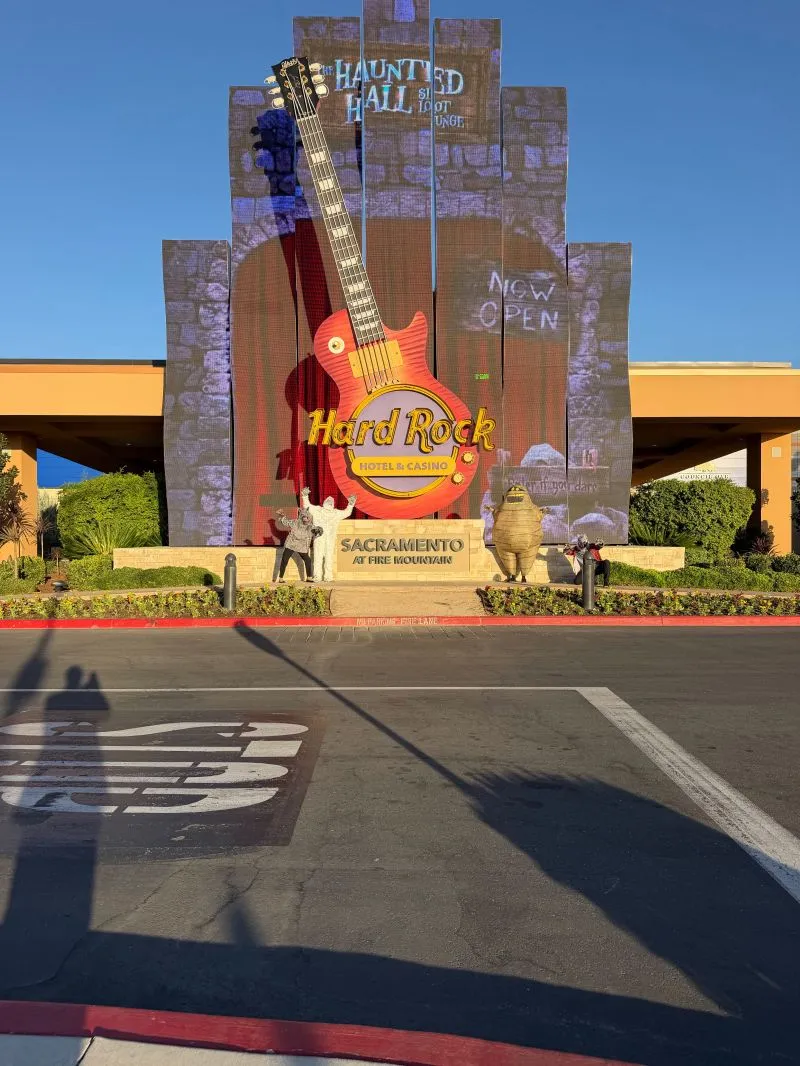
Make dinner the anchor
Start with the meal people actually want. Ask about dietary needs, the pace of service and whether anyone would prefer an earlier table. A reservation time does not tell you when the meal will finish. If a performance matters, confirm its start and arrival requirements before deciding that dinner and the show fit comfortably together.
A casino evening in October 2026 should use current confirmations rather than a remembered programme. Check the date attached to a listing and ask which details are settled. A general reference to live entertainment does not establish a particular artist, ticket or table. Keep any booking information together so the group can refer to the same plan.
Agree the simple details
- Choose a meal time that leaves space after the day’s outing.
- Confirm the venue, reservation and any essential requirements.
- Pick an easy meeting place for anyone arriving separately.
- Leave the later part of the night open until everyone has eaten.
Keep shared costs and optional costs clear. A dinner invitation should not imply agreement to pay for someone else’s entertainment. Discuss the practical arrangement before ordering, especially when guests have different budgets. The conversation can be brief and ordinary; clarity makes it easier to enjoy the meal without guessing what the invitation includes.
Choose what follows
After dinner, one person may want a performance while another wants a quiet chair. That difference does not need resolving through a single group decision. Agree where to meet later and how to make contact if plans change. A named lounge entrance is easier to find than a message saying that everyone is somewhere near the casino.
| Preference | Detail to confirm | Room to change |
|---|---|---|
| Live performance | Entry time and booking | Allow an unhurried route. |
| Quiet conversation | A suitable public space | Choose a different seat if busy. |
| Optional table visit | Entry and table conditions | Observe or leave without playing. |
The comparison describes choices, not confirmed facilities or schedules. Ask staff about the actual spaces and conditions on the day. If someone changes their mind, treat the new preference as useful information. Staying together through dinner can be enough shared time; a good evening does not require everyone to follow the same route afterward.
- Make watching or declining a comfortable option.
- Keep transport and room access independent of another guest’s plans.
- Choose a meeting point outside a crowded doorway.
- Send a short update if the agreed finish changes.
A first visit and a clear finish
Before approaching a table, ask about entry requirements, the rules and the displayed limits. Do not infer local conditions from a general age badge or a film scene. An unfamiliar visitor can watch where permitted and ask staff when questions are welcome. There is no need to participate simply because companions have already taken a seat.
Set any optional spending and stopping time before the visit, keeping essential travel money separate. Avoid trying to recover losses. For a different kind of rule reading, see the complete demo round. After a long afternoon outside, the woodland return plan may be the detail that makes an earlier finish appealing.
Author’s opinion
I would plan a casino evening around a meal and one clear meeting point, then let the rest stay flexible. Dinner gives the group something worthwhile to share even if nobody plays. For me, being able to leave comfortably is part of hospitality, and a quiet finish can be every bit as memorable as a busy night. — Philomena Wren Ashwick